We’re here to help you with all your pet care needs! Discover friendly tips, insights on various pet breeds, specialty foods, collars, and so much more.
Dog
French Bulldog
Diet: Feed a complete, AAFCO‑approved small‑breed dog food, divided into 2–3 meals per day; avoid free‑feeding because Frenchies gain weight easily. Choose formulas with moderate fat and calories and ask a vet if a weight‑control or sensitive‑skin diet is better, as this breed is prone to obesity and skin issues.
Water: Provide constant access to fresh, clean water; wash bowls daily to prevent bacteria.
Key health points:
Brachycephalic (short‑nose) breed: avoid overheating, heavy exercise in heat, and rough play that causes gasping.
Watch for noisy breathing, snoring, coughing, or exercise intolerance; these can signal airway problems that need veterinary care.
Keep skin folds on the face and tail clean and dry to prevent infections.
Lifestyle and care:
Short walks and play are usually enough; they are not endurance dogs.
Use a harness instead of a neck collar to reduce pressure on the airway.
Maintain regular dental care (brushing, dental chews), vaccinations, parasite prevention, and yearly vet exams.
Cat
American Shorthair
Diet: Feed a high‑quality, complete cat food; cats are obligate carnivores and need animal‑based protein and the amino acid taurine for heart and eye health.
Feeding pattern: Most adult cats do well on 2 measured meals per day; monitor body weight and body condition to avoid obesity, which is common in indoor cats.
Water: Provide fresh water at all times; many cats drink more from wide bowls or fountains.
Key health points:
Indoor life is safer and usually extends lifespan; provide scratching posts, climbing spaces, and play to prevent boredom and weight gain.
Schedule routine vet visits, vaccines, parasite control, and regular dental checks.
Litter and environment:
Keep at least one litter box per cat plus one extra; scoop daily and fully clean boxes regularly.
Offer hiding spots and high perches to reduce stress.
Fish
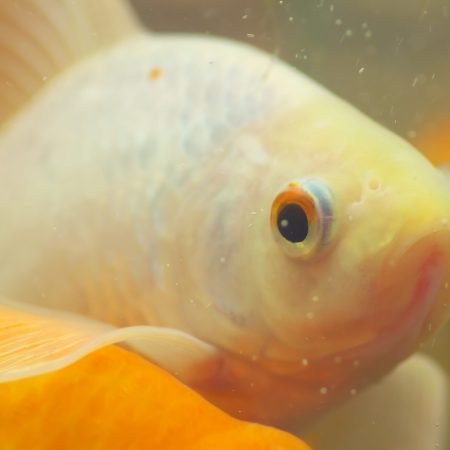
Common Goldfish (Freshwater)
Diet: Use a high‑quality goldfish pellet or flake as the staple; feed very small amounts once or twice daily, only what they consume in about 2 minutes, to avoid water pollution and obesity.
Water quality:
Goldfish are messy and need a properly sized, filtered tank (a single adult often needs at least 20–30 gallons).
Perform partial water changes regularly and use a water conditioner to remove chlorine; monitor ammonia, nitrite, nitrate, and pH.
Environment:
Maintain stable temperature within the recommended range for goldfish and avoid rapid swings.
Provide adequate aeration and avoid overcrowding, which increases disease risk.
Health signs:
Watch for clamped fins, gasping at the surface, white spots, ulcers, or sudden behavior changes, which may indicate disease or poor water quality.
Bird
Budgerigar (Budgie/Parakeet)
Diet: Do not rely on seed‑only diets; feed a balanced pelleted bird diet as the main food, with a measured portion of seeds as a treat. Offer small amounts of bird‑safe vegetables and some fruits; avoid avocado, chocolate, caffeine, alcohol, and salty or sugary human snacks.
Water: Provide fresh water daily in a clean dish; wash bowls to prevent bacterial growth.
Environment:
Use a cage large enough for flight and play, with safe bar spacing and several perches of different sizes.
Keep the cage in a draft‑free area away from kitchens, smoke, aerosols, and Teflon/non‑stick fumes, which can be fatal to birds.
Social and mental needs:
Budgies are social and need daily interaction, toys, and opportunities for safe out‑of‑cage time.
Provide a consistent light–dark cycle and quiet, dim conditions for sleep.
Health checks:
Monitor droppings, weight, feather condition, and breathing; birds often hide illness, so early vet visits are important if anything changes.
Tell us which furry (or scaly) buddies you have (or dream of getting), and we’ll whip up a fun daily care and feeding plan just for you!